

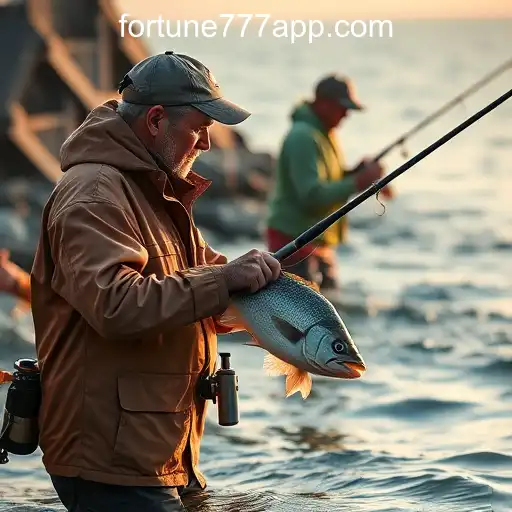
Exploring the World of Fishing: A Timeless Pursuit
Fishing has been an integral part of human history, serving as a vital source of sustenance, recreation, and cultural identity. This age-old activity has evolved to incorporate modern techniques, yet it remains at heart a testament to patience, strategy, and the delicate balance between humans and nature. With its global appeal, fishing continues to captivate thousands, drawing enthusiasts to the serene settings of oceans, rivers, and lakes.
The allure of fishing lies not merely in the act of reeling in a catch but in the rich tapestry of skills, traditions, and stories that it encompasses. Whether you're a seasoned angler or a novice just starting to explore this activity, understanding the finer nuances of the sport can enhance your experience. As we delve deeper into the world of fishing, we uncover secrets, techniques, and the culture surrounding this timeless pursuit.
A Brief History of Fishing
Fishing dates back to prehistoric times, evidence of its practice found in ancient cave paintings, artifacts, and shell mounds. Early humans relied heavily on rivers and coasts as a primary food source, leading to the development of crude tools and methods for catching fish. As civilization progressed, so too did fishing techniques. Nets, rods, and various trapping methods evolved, indicating a growing sophistication in fishing strategies.
Throughout the medieval ages and into modernity, fishing became not only a means of survival but a trade and leisure activity. Different cultures contributed their unique approaches, from the fly-fishing artisans of Europe to the expansive fishing fleets of Asia. Each development paved the way for fishing to become the globally practiced activity it is today.
Modern Fishing Techniques
In today's world, fishing ranges from commercial endeavors to recreational pastimes, employing a wide array of techniques. For many, the choice of method is influenced by the target species, location, and desired level of engagement. Recreational fishing itself bifurcates into four main categories: bait fishing, fly fishing, trolling, and spinning.
**Bait Fishing:** Often regarded as the most straightforward approach, bait fishing uses natural attractants to lure fish. Worms, minnows, and even corn serve as practical bait options. This method is accessible to beginners due to its simplicity.
**Fly Fishing:** This artistic method requires skillful casting of lightweight fly lures. Emulating insects or baitfish, anglers use special rods and lines to entice catches. Known for its technique-intensive nature, fly fishing provides an immersive experience, often carried out in tranquil streams or rivers.
**Trolling:** More commonly associated with deep-sea fishing, trolling involves dragging lines with bait or lures behind a moving boat. This technique, ideal for chasing larger species, combines the serenity of being on the open water with the thrill of the chase.
**Spinning:** This versatile technique allows anglers to fish from various settings, including from the shore or boats. Using a spinning reel and lures that mimic small prey, spinning is effective for both freshwater and saltwater fishing.
The Cultural Significance of Fishing
Fishing, notwithstanding its practical aspects, carries rich cultural significance. In many societies, it encompasses rituals, festivals, and traditions ingraining itself as part of cultural identity. For communities settled around bodies of water, fishing is an essential thread in their societal fabric.
In Native American cultures, fishing practices were not only for subsistence but carried ceremonial importance. The method of taking from the river was done with reverence, ensuring respect for the natural balance. Fishing remains symbolic in many cultures, representing a connection to nature and community.
Oceania, with its vast marine environment, also sees fishing as culturally integral. Island communities utilize traditional methods passed down through generations, reflecting a sustainable approach to harvesting resources. In this manner, fishing becomes a conduit of ancestral knowledge and environmental stewardship.
Fishing for Luck: Fortune and Tradition
Fishing is often interwoven with concepts of luck and fortune. Anglers frequently speak of "good fishing days," which marry skill with favorable conditions. It draws parallels to games of chance, where preparation meets opportunity, echoing sentiments akin to those found in the popular Fortune777 Oficial Slots Brasil #1 game.
The unpredictable nature of fishing creates an allure akin to gambling, where strategy might be boosted by a dose of luck. Successful fishing trips rely not only on the right set of skills but also favorable weather, the right spot, and sometimes, sheer chance. Such uncertain elements contribute to the thrill and satisfaction of a successful catch.
Evolving with the Times
As with many traditional practices, fishing is evolving in response to modern challenges and technologies. Environmental concerns have spawned discussions around sustainable fishing, emphasizing the importance of conserving fish populations and their habitats. Regulations, catch limits, and conservation strategies are part of a global movement to ensure fishing remains sustainable for future generations.
Technology also plays a crucial role in the evolution of fishing. From better tackle equipment to fish-finding sonars, advancements have made fishing more accessible and efficient. However, it is important to maintain the balance between using these innovations and preserving the essence of traditional fishing.
In summary, fishing remains a dynamic blend of tradition, skill, and chance. Whether pursued for sport, sustenance, or cultural expression, its significance transcends time. Understanding its intricacies adds depth to the angler's journey, offering not just fish but life—and perhaps a nod from fortune itself.